buyzonee
Solar energy has become one of the most popular and sustainable ways to power homes and businesses. As more people consider switching to renewable energy, a common question arises: do solar panels work at night? Understanding how solar panels function after sunset is essential for making informed decisions about energy use, savings, and system design.
In this comprehensive guide, we’ll explain why solar panels don’t produce electricity at night, explore how energy storage solutions like batteries help bridge the gap, and share practical tips to maximize solar efficiency.
How Solar Panels Work During the Day
To understand do solar panels work at night, it’s important to first know how they operate during daylight hours.
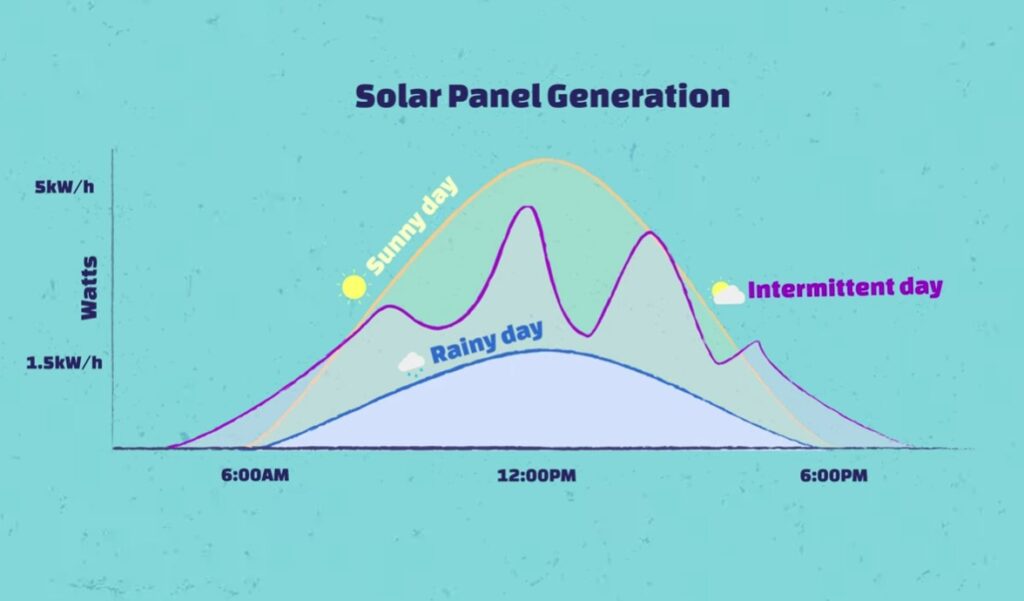
Solar panels work during the day by capturing sunlight and converting it into electricity through the photovoltaic effect. Sunlight energizes electrons in solar cells, producing direct current (DC) power. An inverter then converts this into usable alternating current (AC) for homes. Peak energy production occurs during midday when sunlight is strongest, allowing homes to power appliances and even store excess energy in batteries or send it to the grid.
Solar panels generate electricity through a process called the photovoltaic (PV) effect. When sunlight hits the panels, photons excite electrons in the solar cells, creating an electric current. This current is then converted into usable electricity for your home.
Key Components of a Solar System:
Solar Panels: Capture sunlight and generate DC electricity
Inverter: Converts DC into AC power for household use
Battery (optional): Stores excess energy
Grid Connection: Supplies power when solar production is insufficient
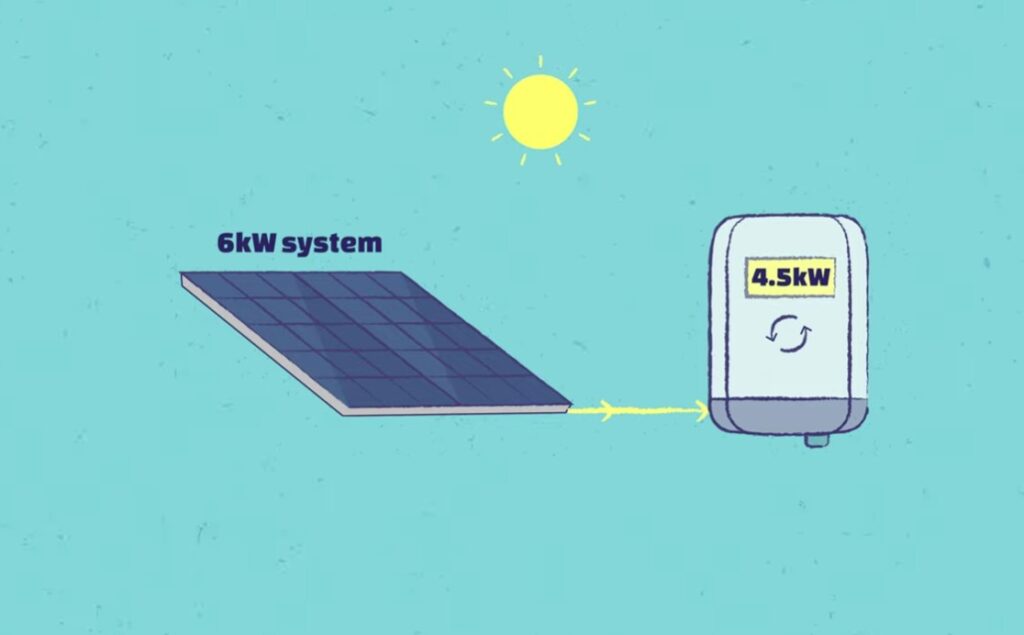
During the day, especially in peak sunlight hours, solar panels often produce more electricity than your home needs. This excess energy can be stored or sent back to the grid.
Do Solar Panels Work at Night?

Let’s answer the big question directly: do solar panels work at night?
Solar panels do not generate electricity at night because they rely on sunlight to produce energy. When the sun sets, power production stops completely. However, this doesn’t mean you’ll be without electricity. Systems with battery storage can save excess energy generated during the day for nighttime use, while grid-connected systems draw power from the utility grid. Understanding do solar panels work at night helps homeowners plan efficient and reliable energy usage.
The Short Answer:
No, solar panels do not produce electricity at night.
The short answer to the question “do solar panels work at night” is no—solar panels cannot generate electricity without sunlight. They rely on direct solar radiation to produce energy, which disappears after sunset. However, this doesn’t mean you’re without power at night. Stored energy in solar batteries or electricity drawn from the grid ensures your home continues to run smoothly even when solar panels are inactive.
Why Not?
Solar panels rely entirely on sunlight to generate power. Without sunlight, there are no photons to activate the photovoltaic cells, meaning electricity production stops completely after sunset.
Solar panels don’t work at night because they rely on sunlight to generate electricity through the photovoltaic effect. Without sunlight, there are no photons to activate the solar cells, so energy production stops completely. Darkness, including moonlight, is far too weak to produce usable power. That’s why solar systems depend on batteries or grid connections to supply electricity when the sun isn’t shining.
This is why understanding do solar panels work at night is crucial when planning your energy usage. However, while panels themselves don’t work at night, your solar energy system can still provide power through other solutions.
What Happens to Your Power Supply at Night?
Even though solar panels stop producing energy at night, your home still needs electricity. So how is that demand met?
At night, solar panels stop producing electricity because there’s no sunlight to generate power. Instead, your home draws energy from stored solar battery reserves or the utility grid. In grid-tied systems, excess daytime energy often earns credits that offset nighttime usage. With battery storage, saved solar power is used after sunset, ensuring continuous supply, improved efficiency, and reduced reliance on traditional electricity sources.
There are three primary ways:
1. Grid-Tied Systems
If your system is connected to the utility grid:
Grid-tied systems connect your solar panel setup directly to the utility grid, allowing you to use solar energy during the day and draw electricity from the grid at night. Excess power generated is often sent back to the grid through net metering, earning credits. These systems are cost-effective, require no batteries, and ensure a reliable power supply, making them a popular choice for residential and commercial solar installations.
Excess energy generated during the day is sent to the grid
You draw electricity from the grid at night
This setup often uses net metering, allowing you to earn credits for excess energy.
2. Solar Battery Storage
Battery systems store unused solar energy generated during the day so you can use it at night.
Solar battery storage allows you to store excess electricity generated by solar panels during the day for use at night or during outages. It improves energy independence, reduces reliance on the grid, and maximizes solar efficiency. Modern batteries, typically lithium-ion, are compact and long-lasting. By balancing energy supply and demand, solar battery storage ensures a reliable, continuous power source while helping lower electricity bills and support sustainable living.
3. Hybrid Systems
A combination of both grid connection and battery storage ensures maximum flexibility and reliability.
Hybrid solar systems combine solar panels, battery storage, and grid connectivity to deliver reliable, flexible energy. They generate electricity during the day, store excess power for nighttime use, and draw from the grid when needed. This setup ensures continuous power, reduces energy bills, and provides backup during outages. Hybrid systems are ideal for maximizing solar efficiency while maintaining energy security in both residential and commercial applications.
How Solar Batteries Solve the Nighttime Problem
If you’re still wondering do solar panels work at night, the better question might be: How can I use solar energy at night?
Solar panels stop producing electricity at night, but solar batteries bridge this gap by storing excess energy generated during the day. These batteries release stored power when panels are inactive, ensuring your home remains powered after sunset. They provide energy independence, reduce reliance on the grid, and offer backup during outages. By integrating batteries, you can fully utilize your solar system, making renewable energy available day and night.
That’s where solar batteries come in.
How Batteries Work:
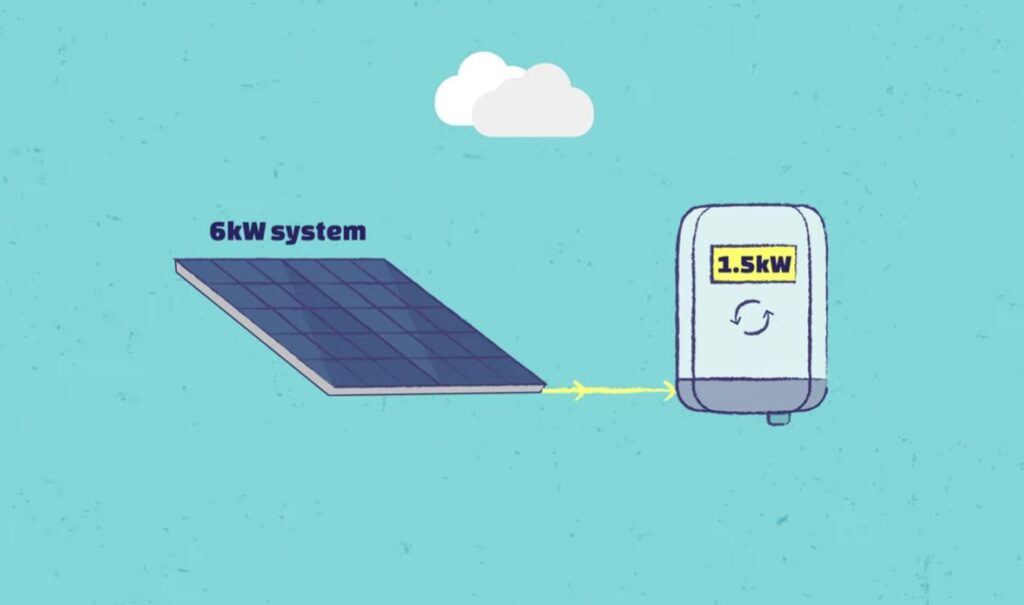
Batteries store excess electricity generated by solar panels during the day and release it when energy demand exceeds production, such as at night or during cloudy periods. They act as a bridge between solar generation and household use, providing reliable, uninterrupted power. Modern lithium-ion batteries offer high efficiency, long lifespan, and fast charging, making them ideal for maximizing solar energy usage and reducing reliance on the grid while enhancing energy independence.
Store excess electricity produced during the day
Release stored energy when solar panels are inactive
Provide backup during outages
Benefits of Solar Batteries:
Solar batteries store excess electricity generated by your solar panels, allowing you to use it when the sun isn’t shining. They provide energy independence, reduce reliance on the grid, and can lower electricity bills by maximizing daytime solar usage. Additionally, batteries offer backup power during outages, improve overall system efficiency, and help you plan energy use more effectively, making your solar setup more reliable and sustainable for round-the-clock power.
Energy independence
Reduced electricity bills
Backup power during blackouts
Better utilization of solar energy
Popular battery technologies include lithium-ion and lead-acid, with lithium-ion being more efficient and longer-lasting.
Can Solar Panels Work in Moonlight?
Another variation of the question do solar panels work at night is whether moonlight can power solar panels.
Solar panels rely on sunlight to generate electricity, so their performance under moonlight is extremely limited. Moonlight is merely reflected sunlight and is about 400,000 times weaker than direct sunlight, producing only a negligible amount of energy. While technically they may generate a tiny current, it’s far too small to power any practical device. Essentially, solar panels cannot provide usable electricity from moonlight alone.
So, do solar panels work at night? No, they don’t generate electricity without sunlight. However, this doesn’t limit the effectiveness of solar energy systems. With solutions like battery storage and grid connectivity, you can still power your home efficiently after sunset.
By understanding how solar energy works and implementing smart strategies, you can maximize your system’s performance both day and night. Whether you’re planning to install solar panels or already have them, knowing how to manage energy effectively ensures you get the most out of your investment.